Contact Us

We offer both in person services based in Mission Valley as well as telehealth services via video-conferencing platforms to patients located in California.

We do not accept walk-ins. You must contact our Clinic Coordinator at 858-354-4077 or info@csamsandiego.com before visiting us on site.

CONTACT US

IF YOU WOULD LIKE TO INQUIRE ABOUT TREATMENT AT CSAM, PLEASE FILL OUT THE FORM AND A THERAPIST WILL CONTACT YOU TO MAKE AN APPOINTMENT.

You may also contact us via phone or email:

Phone: 858-354-4077

Email: info@csamsandiego.com

7860 Mission Center Ct, Suite 209
San Diego, CA, 92108

858.354.4077

At The Center for Stress and Anxiety Management, our psychologists have years of experience. Unlike many other providers, our clinicians truly specialize in the diagnosis and treatment of anxiety and related problems. Our mission is to apply only the most effective short-term psychological treatments supported by extensive scientific research. We are located in Rancho Bernardo, Carlsbad, and Mission Valley.

full banner.jpg

Blog

Read our award-winning blogs for useful information and tips about anxiety, stress, and related disorders.


Anxiety in Children

Jill Stoddard

 

Have you noticed that your child seems to be experiencing a significant amount of anxiety? Learn more about the anxiety disorders that can develop at a young age and the support that is available. If you would like to seek the help of a professional, contact us to schedule an appointment with our child anxiety specialist now.


Childhood Anxiety Disorders


Generalized Anxiety Disorder

Learn more about GAD.

Things to look out for:

·      Excessive worry about a variety of things in your child’s life

·      Perfectionism and self-criticism

·      Constant need for approval or reassurance


Obsessive-Compulsive Disorder (OCD)

Learn more about OCD.

Things to look out for:

·      Obsessions: Experiencing unwanted and intrusive thoughts

·      Compulsions: Repeatedly perform rituals and/or routines in order to ward off anxious feelings


Panic Disorder

Learn more about panic disorder and panic attacks.

Things to look out for:

·      Panic/anxiety attacks that come on for no reason or out of the blue

·      If your child is concerned about or afraid of having another panic attack in the future


Posttraumatic Stress Disorder (PTSD)

Learn more about PTSD.

Things to look out for:

·      Experiencing or witnessing a traumatic or life-threatening event

·      Intense fear/anxiety

·      Emotional numbness

·      Easily irritable

·      Avoidance of places, people or activities


Separation Anxiety Disorder

Learn more about separation anxiety disorder here.

Things to look out for:

·      Your child is slightly older (common in ages seven to nine)

·      Unable to be separated from loved ones or takes significantly longer to calm down compared to other children

·      Experiences extreme homesickness/misery at being separated from loved ones


Social Anxiety Disorder

Learn more about social anxiety disorder.

Things to look out for:

·      Intense fear or anxiety related to social interactions

·      Anxiety about performance and activities

·      Extreme shyness or inhibition

·      Difficulty making new friends or speaking with peers


Selective Mutism

Visit online: Selective Mutism Group

Things to look out for:

·      Refusing to speak in situations that make your child anxious

·      Standing motionless/expressionless

·      Avoiding eye contact, chewing/twirling hair, turning heads


Specific Phobias

Learn more about phobias.

Things to look out for:

·      Intense irrational fear of a specific object or situation (such as animals, storms, blood, needles, medical procedures, etc.)


Treatments Offered at CSAM


Cognitive Behavioral Therapy (CBT)

Cognitive Behavioral Therapy (CBT) is an empirically supported treatment that focuses on modifying problematic thoughts & behaviors that contribute to & maintain emotional problems like anxiety, stress, & depression. Like traditional forms of therapy, CBT emphasizes a warm, safe, & empathic therapeutic environment. CBT is different from some approaches in that it focuses on present-day problems & learning skills to overcome symptoms. It teaches children to identify thoughts & behaviors that are keeping your child stuck, so your child may develop more adaptive ways for navigating life.


Acceptance and Commitment Therapy (ACT)

Acceptance and commitment therapy is an empirically supported treatment that focuses on reducing experiential avoidance and accepting internal experiences (thoughts and feelings) in the service of living a valued, vital, meaningful existence.  Mindfulness, metaphors, and experiential exercises play a central role in ACT.


Biofeedback

Biofeedback is an empirically supported treatment that focuses on balancing the nervous system. Biofeedback is shown to be extremely effective at helping patients reduce anxiety and stress, lower blood pressure, reduce chronic pain (including migraines), increase focus and attention, and reduce hyper-vigilance commonly experienced after trauma.


How Can I Respond to My Child?


ADAA provides the following suggestions in their article “Tips for Parents and Caregivers”

Source: http://www.adaa.org/living-with-anxiety/children/tips-parents-and-caregivers


Here are things you can do at home to help your child manage his or her anxiety disorder:


Pay attention to your child’s feelings.

Stay calm when your child becomes anxious about a situation or event.

Recognize and praise small accomplishments.

Don’t punish mistakes or lack of progress.

Be flexible and try to maintain a normal routine.

Modify expectations during stressful periods.

Plan for transitions (For example, allow extra time in the morning if getting to school is difficult).

Keep in mind that your child’s anxiety disorder diagnosis is not a sign of poor parenting. It may add stress to family life, however. It is helpful to build a support network of relatives and friends

Resources:

The Anxiety and Depression Association of America, ADAA

www.ADAA.org


Are you interested in scheduling an appointment with our child specialist? If you'd like to speak with a professional at the Center for Stress and Anxiety Management for help with anxiety, please click here.

Follow us! Subscribe to the CSAM RSS feed, and follow us on Facebook or Twitter (@CSAMSanDiego).

Exposure Therapy Basics: What It Is & Why It Works

Jill Stoddard

Written by Lauren Helm, M.A.


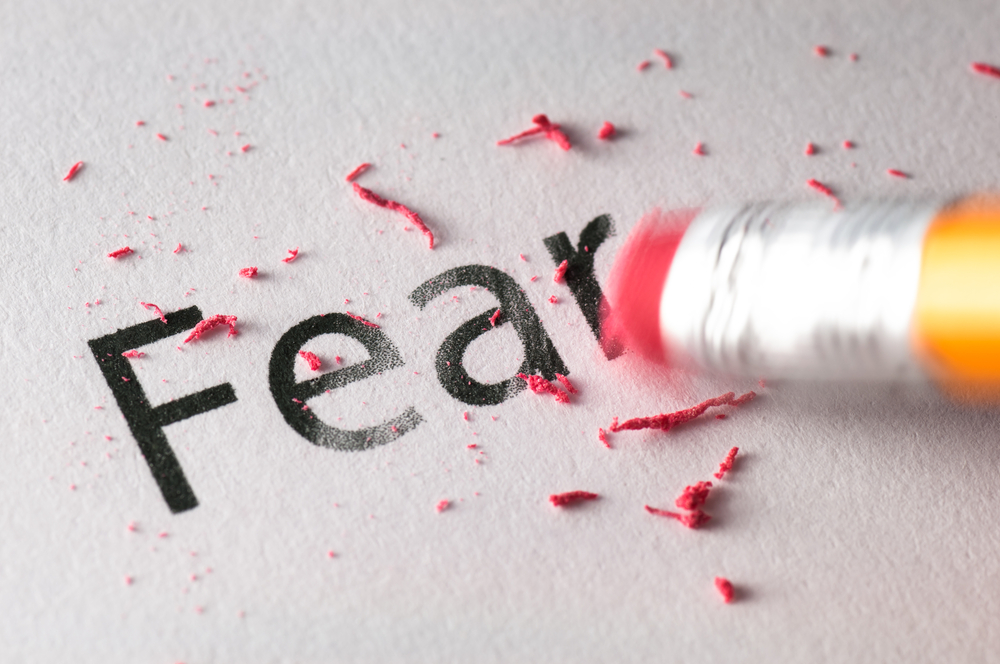
“Face your fears.” The wisdom of this adage is built into exposure therapy, an intervention that has been extensively researched and shown to be very effective in treating various anxiety disorders. What is exposure therapy? We break it down here.


Anxiety disorders are usually characterized by excessive and debilitating fear or anxiety. The anxiety may become so powerful that it can feel as though it has taken on a life of its own, domineering a person’s relationships, work, and quality of life.  Though fear and anxiety are normal emotional responses to a threat (they motivate us to avoid potentially harmful situations), those with anxiety disorders often experience debilitating anxiety even when a truly dangerous threat is not present.  Despite the absence of something that may cause physical harm, the brain’s fear centers are fully activated, and for someone with anxiety, it strongly feels as though something bad will happen. It is proposed that anxiety disorders in part develop as a result of both classical and operant conditioning, two important psychological concepts that inform and guide exposure therapy.


Basically, fear and anxiety are actually reinforced and strengthened when we avoid whatever causes it (whether it be a person, place, thing, thought, memory, emotion, or physical sensation that acts as a trigger). When we avoid or escape something that makes us feel afraid, it’s like our brain sends us a message that says, “Thank goodness I got away from that scary thing! It must have been truly dangerous. I am safe now that I am not longer in contact with the threat. If I get close to it again, I better make sure to get far away again!” A cycle is created. The next time we encounter the feared stimulus (i.e. whatever it is that triggered our anxiety), the more likely we are to experience a heightened fearful or anxious response, and to have stronger urges to avoid or escape.


In exposure therapy, the therapist leads her client through a set of experiences intended to elicit the very fear that the person has been avoided. Though this may seem counter-intuitive, it is an extremely effective behavioral approach that helps the client free themselves from the cycle of anxiety and avoidance. Essentially, avoidance is “blocked;” the client begins learning how to face his or her fears, and in doing so, experiences habituation. Habituation is like desensitization. When someone is exposed to something repeatedly, it begins to lose potency. Anxiety and fear naturally drop off, and with repeated exposures, become less intense and long-lasting. Additionally, when avoidance is prevented, the fear/anxiety response is no longer reinforced and strengthened. This leads to an extinguishing of the fear response. In other words, a fearful or anxious response is “extinguished” and fades away over time.


Most people have trepidation about starting exposure therapy. It is admittedly uncomfortable, at least in the short-term. However, the long-term benefits far outweigh the discomfort that may occur along with exposure therapy. Usually, it turns out that we hold beliefs about emotions (especially fear and anxiety) that interfere with our willingness to effectively face our fears.


Common myths about emotion typically include beliefs that:

  • Fear or anxiety will continue to escalate (without a ceiling effect or peaking) indefinitely until the person gets away from whatever is causing them anxiety
  • Fear or anxiety will become so intense that it will cause physical harm or death
  • Fear or anxiety will become so intense that it will cause psychological damage, insanity, a loss of control, etc.


These beliefs often reflect a fear of emotions stemming from a commonly-held belief that emotions are dangerous. In and of themselves, emotions are not dangerous – they are physiological sensations (along with thought & urges). The sensations are designed to motivate us to act. The feelings that come along with emotions may be experienced as overwhelming (especially when we don’t understand them or it feels as though they can do us harm), but they will not hurt you (and it is not physically possible for them to intensify beyond a certain point). Frequently, exposure therapy results in the added benefit of being able to tolerate intense emotions, and learn that it is safe to fully feel your emotions. It’s what you do with your emotions that count – how we ACT can have a beneficial or detrimental effect on our lives and well-being. Therapists help you to learn how to effectively respond to your emotions, so that they don’t restrict your way of life. Your CSAM therapist is well-trained in exposure therapy principles and will explain in more detail why it is not the case that intense, acute emotional experiences cause harm. In fact, one of the principles of exposure therapy is to ensure that individuals are absolutely not caused harm – otherwise that would defeat the point! Exposure therapy is all about learning that despite the anxiety, there is no danger, but rather, safety. Once this is sufficiently experientially learned and processed (not just known intellectually), dramatic change begins to occur.


Don’t worry – your therapist will collaborate with you to figure out the best pace of treatment. Depending on your needs, you may opt to participate in flooding (which essentially means that you face some of your most intense fears right away), or the more commonly used approach, gradual exposure (you work your way up an exposurehierarchy, starting with mild-moderate fears). Both approaches have been found to be equally effective, but differ in the length of time that they may take to complete, and in the likelihood of premature drop-out. Remember, exposure requires repeated practice facing your fears until a re-learning occurs. Sticking with exposure therapy until anxiety has naturally begun to dissipate (or tolerance of anxiety has increased) is essential for success.

Are you interested in using exposure therapy to tackle your fears? Our CSAM therapists are trained in exposure therapy and can help you effectively respond to anxiety using evidence-based methods. If you'd like to speak with a professional at the Center for Stress and Anxiety Management for help with anxiety, please click here.

Follow us! Subscribe to the CSAM RSS feed, and follow us on Facebook or Twitter (@CSAMSanDiego).


References


Barlow, D. H., Craske, M. G., Cerny, J. A., & Klosko, J. S. (1989). Behavioral treatment of panic disorder. Behavior Therapy20(2), 261-282.


Barlow, D. H., Rapee, R. M., & Brown, T. A. (1992). Behavioral treatment of generalized anxiety disorder. Behavior Therapy23(4), 551-570.

Feeny, N. C., Hembree, E. A., & Zoellner, L. A. (2004). Myths regarding exposure therapy for PTSD. Cognitive and Behavioral Practice10(1), 85-90.


Foa, E., Hembree, E., & Rothbaum, B. O. (2007). Prolonged exposure therapy for PTSD: Emotional processing of traumatic experiences therapist guide. Oxford University Press.


Hofmann, S. G. (2008). Cognitive processes during fear acquisition and extinction in animals and humans: Implications for exposure therapy of anxiety disorders. Clinical psychology review28(2), 199-210.

The Benefits of Group Therapy

Jill Stoddard

Written by Lauren Helm

The Benefits of Group Therapy


Image source: www.mental-illness-resources.com

Though it may be intimidating to envision sharing your path of recovery and well-being with a group of others (who are admittedly, at least initially, strangers), group therapy may be a worthwhile alternative to pursuing individual psychotherapy. It is often more cost-effective than individual therapy, and yet can be just as efficacious as therapy provided one-on-one.

 At CSAM, we offer evidence-based group therapy treatments that are structured in approach, but also allow you to connect with others while you learn more effective ways of responding to anxiety or other related disorders. The therapist both teaches and guides group members through exercises geared towards helping each person make significant changes in their lives.

 Our CSAM therapist, Dr. Michelle Lopez, regularly leads a cutting-edge cognitive behavioral group, called the Unified Protocol for the Transdiagnostic Treatment of Emotional Disorders. The group helps you to understand the nature of our thoughts, emotions, and behaviors, the role they play in the development and maintenance of anxiety disorders and depression, and how to begin reclaiming your life. If you’d like to learn more about these groups, feel free to reach out to us!

Above and beyond the useful informational content that the group offers, there are added benefits to receiving therapy in a group setting. Here we briefly review a few (though not all) of Yalom’s therapeutic factors that may occur in group therapy: 

Universality

When you participate in a group and share your experiences with others, you may become more and more aware of the shared nature of human experiencing (including pain and joy), thus creating a sense of universality, and reducing feelings of isolation or aloneness. FYI, a sense of common humanity is connected to self-compassion and optimal well-being!

Altruism

Group therapy offers opportunities to practice compassion and other altruistic behaviors towards one another, enhancing a sense of connection to others as well as your connection to yourself. You can also be a role model for others: Studies find that kindness breeds kindness.

Instillation of hope

Each of us is resilient in our own way, and we can share with others how we have persevered despite extreme difficulty, offering hope and inspiration to one another.

Imparting information

Often, we have learned very practical information about how to navigate various aspects of life that others may benefit from. Imparting information is also a form of social support, which can positively impact our physical and emotional health.

Development of socializing techniques & Interpersonal learning

A group setting may allow members to practice new social and communication skills in a safe environment with the support of the therapist. This may lead to more satisfying interpersonal relationships.


These are but a few of the benefits that may be experienced as a result of participating in group therapy. If you’d like to learn more about the group therapy that CSAM offers, click here. You can also call our clinic to see if any groups will be offered in the near future so that you can experience the benefits of group therapy for yourself!


If you'd like to speak with a professional at the Center for Stress and Anxiety Management for help with anxiety, please click here.

Follow us! Subscribe to the CSAM RSS feed, and follow us on Facebook or Twitter (@CSAMSanDiego)


References

Barlow, D. H., Farchione, T. J., Fairholme, C. P., Ellard, K. K., Boisseau, C. L., Allen, L. B., & May, J. T. E. (2010). Unified protocol for transdiagnostic treatment of emotional disorders: Therapist guide. Oxford University Press.

Ellard, K. K., Fairholme, C. P., Boisseau, C. L., Farchione, T. J., & Barlow, D. H. (2010). Unified protocol for the transdiagnostic treatment of emotional disorders: Protocol development and initial outcome data. Cognitive and Behavioral Practice17(1), 88-101.

Ellis, A. (1992). Group rational-emotive and cognitive-behavioral therapy.International journal of group psychotherapy.

Farchione, T. J., Fairholme, C. P., Ellard, K. K., Boisseau, C. L., Thompson-Hollands, J., Carl, J. R., ... & Barlow, D. H. (2012). Unified protocol for transdiagnostic treatment of emotional disorders: a randomized controlled trial.Behavior therapy43(3), 666-678.

Yalom and Leszcz (2005) The Theory and Practice of Group Psychotherapy, 5th edition, Basic Books p. 272

Apps for Anxiety

Jill Stoddard

Written by Riley Cropper

Edited by Lauren Helm

Apps for Anxiety


Image source: www.business2community.com

Anxiety, or the anticipation of a future threat, can be an unpleasant and even debilitating aspect of a person’s life. Symptoms of anxiety may include but are not limited to worry, restlessness muscle tension, fatigue, irritability, and difficulty concentrating. Often, those with anxiety symptoms also engage in excessive avoidance of situations that had provoked anxious feelings in the past, thereby reducing an individual’s overall quality of life. According to the National Institute of Mental Health (NIMH), about 40 million American adults are affected by an anxiety disorder in a given year. Fortunately, we live in an age of expanding technology. It is common to search for the answers to our questions on the Internet, or hear from others that “there’s an app for that.”  The Internet and smartphone apps make finding useful tools and information for various types of issues readily accessible and available like never before, so why not use these technological advances to help us to address the unpleasant or stressful feelings we may encounter when we experience anxiety? Many of these apps or online resources are designed to supplement professional psychological care, and should not replace professional treatment; however, they may help you take a mental break in the middle of the day or reduce symptoms during a stressful moment. The best part? All but one app on this list are completely FREE!


Apps for Overall Anxiety Management

  • Stop Panic & Anxiety Help for Android (free)
    • Equipped with audio tracks to help you relax in the moment as well as a journal portion that asks you to write what happened and how you overcame it. That way, you can not only look back at all that you have overcome, but how exactly you did in case it ever comes up again! 
  • Worry Box Free for Android (free)
    • This app is a journal and self-help guide in one! First, you write down your thoughts or worries, then the app presents you with questions about these stressors and some tips for dealing with them. Additionally, it’s password protected so all of your information will be kept safe
  • Self-help for Anxiety Management (SAM) for iPhone and Android (free)
    • Allows the user to rate their level of anxiety or worry, then guides them through one of many relaxation exercises
  • Worry Watch for iPhone and iPad ($1.99)
    • User fills out a template that describes a recent worry then eventually makes a note of the outcome and whether this outcome was as bad as their initial worry. Then, the next time you feel worried you can return to the app and view the past entries that show that the outcome is rarely as bad as the original worry. This app is also password protected
  • MindShift for iPhone and Android (free)
    • Presents the user with strategies for specific symptoms or scenarios, such as test anxiety, social anxiety, performance anxiety, worry, conflict, panic, and perfectionism. Also allows you to “check yourself” by rating your symptoms. This app is especially helpful as it encourages the user to stop avoiding their worry and shift their fame of mind instead!


Apps for Meditation

  • Take a Break! for iPhone and Android (free)
    • A very basic meditation app that presents 2 guided meditations: a 7 minute “work break” or a 13 minute “stress relief” exercise. Also gives you the option to play nature sounds in the background
  • Calm for iPhone and Android (free) as well as free online at Calm.com
    • User selects an amount of time to meditate (from 2 to 20 minutes) as well as the theme of the guided meditation such as positivity, self-acceptance, or sleep. User can also select one of the “immersive nature scenes” to display throughout the exercise
  • Headspace for iPhone and Android (free)
    • Presents the user with 10 short guided meditations and allows them to track their progress over time and even set reminders for future meditation


Apps for Relaxing Soundtracks

  • Relax Melodies Free for iPhone and Android (free)
    • Select from 50 relaxing soundtracks to help put your mind and body at ease! Most useful for helping the user get to sleep as it allows you to set a sleep timer and an alarm for the next morning


Apps for Diaphragmatic Breathing

  • Breathe2Relax Free for iPhone and Android (free)
    • Allows user to rate their level of stress then guides them through a diaphragmatic breathing exercise. When phone volume is up the app plays relaxing noises in the background and tells the user when to breathe in and release. Also give the user a visual of the length of their breath and allows you to adjust the length as needed. Keeps track of your stress ratings over time
  • BellyBio Interactive Breathing for iPhone (free)
    • This is a biofeedback based app that monitors the user’s breathing while playing a soundtrack of ocean waves in the background


Additional Helpful Apps

  • Anti-Stress Quotes for iPhone and Android (free)
    • Presents the user with calming words of wisdom and also gives you the ability to save them for later or share via e-mail, text message, or Facebook
  • Positive Activity Jackpot for Android (free)
    • Based on pleasant events scheduling, this app utilizes the phone’s GPS to help users find enjoyable activities near their current location. The user can select the type of activity they’re looking for (e.g., “water activities”) or you can simply “pull the lever” to have the app pick for you! The app also provides you with the exact address of the activity and allows you to save locations for future use
  • T2 Mood Tracker for iPhone and Android (free)
    • Allows the user to track symptoms on 6 pre-loaded scales: anxiety, depression, well-being, stress, heady injury, and posttraumatic stress. This allows the user to see their symptoms over time to see what things may be contributing to these symptoms and also to help the user talk to their mental health provider about their progress over time or possible effects of medication changes. 
  •  PTSD Coach for iPhone and Android (free)
    • This app screens the user for symptoms of Posttraumatic Stress Disorder and can also track symptoms over time. In addition, it provides tools for dealing with these symptoms, links for additional support, and even a section to help the user teach their friends and family about PTSD
  • Previdence for iPhone (free)
    • Allows the user to check symptoms of different disorders such as anxiety and depression, as well as other issues like problematic relationships or drug or alcohol use. App then provides some recommendations based on the reported symptoms
  • Operation Reach Out for iPhone and Android (free)
    • This app was developed by the military to help prevent attempts of suicide. If the user is someone that is facing suicidal thoughts, the app allows them to enter the phone numbers of people they can call while in a crisis and also comes pre-loaded with a few suicide prevention hotlines. The app also has videos that encourage the user to reach out for help and provides instruction on how to do so. Other videos in the app give facts about solutions and treatment options, giving the user hope that things can get better. This app can also be helpful for those that are trying to help someone in a crisis, providing suggestions for how to best talk to the friend and get them the help they need. 


References

American Psychiatric Association. (2013). Diagnostic and statistical manual of mental disorders 

(5th ed.). Arlington, VA: American Psychiatric Publishing

Holland, K. (2014, May 27). The 18 best anxiety iPhone & Android apps of 2014. Retrieved

from http://www.healthline.com/health-slideshow/top-anxiety-iphone-android-apps

Kiume, S. (2013). Top 10 Free Mental Health Apps. Psych Central. Retrieved on December 16,

2014, from http://psychcentral.com/blog/archives/2013/09/20/top-10-free-mental-health-apps/

National Institute of Mental Health. (2009). Anxiety disorders. Retrieved from

http://www.nimh.nih.gov/health/publications/anxiety-disorders/nimhanxiety_34436.pdf

Weingus, L. (2014, October 27). 5 apps to help you cope with anxiety. Retrieved from

http://www.huffingtonpost.com/2014/20/27/apps-anxiety_n_6054270.html

Setting Intentions for the New Year & Using ACT to Guide the Way

Jill Stoddard

Written by Lauren Helm, M.A.


Setting Intentions for the New Year & Using ACT to Guide the Way


new-year-promise.jpg

Image source: hardquotes.com

As you set out into the new year, you may have already identified and begun practicing taking steps towards your New Year’s resolutions. The road towards various forms of transformation or self-betterment can often be long and arduous, and you may face challenging moments as well as rewarding ones. In order to set yourself up for success, consider learning about and applying some of these tips based on an interpretation of Acceptance and Commitment Therapy (ACT) principles. Hopefully, this will help you to continue to evolve in the direction of your choosing this year!

Set intentions that are rooted in your values

Make sure to give yourself enough time to adequately reflect on what is truly important to you. Too often, we may choose to “better” ourselves in ways that may be important to others, but not ourselves. This is a great time to discover your authentic, deeply held desires for yourself, if you have not already done so. What we value speaks to who we want to be in this life, and what gives our lives the greatest sense of richness and meaning. Our values can range various domains, including health, family, friendships, career, spirituality, etc. Clarify for yourself WHY you have selected a certain New Year’s resolution, and determine if it is truly aligned with your authentic values. When we set an intention to fulfill a values-driven goal, we are more likely to be intrinsically motivated to achieve it than if the goal we have set is solely reliant upon the approval of others (or any other reason we think that we “should” be doing something).

Create a SMART values-guided plan of action

Once you’ve selected your New Year’s resolutions or intentions, set yourself up for success by creating an action plan. Dr. Russ Harris created a worksheet that is geared towards helping individuals create a specific plan that is based in their values. You can find the SMART goal worksheet here. SMART stands for specific, meaningful, adaptive, realistic, and time-bound. In other words, you may select a New Year’s resolution that is specific (define exactly what it is that you hope to achieve, and the specific steps that you believe may need to be carried out in order to get there), meaningful (make sure that the resolution is based on something you genuinely care about), adaptive (is setting this goal truly supportive for you and will it improve your life?), and time-bound (be specific and identify the times and dates that you plan to complete certain steps that move you closer to your goal). These are guidelines (not rules) that may support you in successfully working towards your resolutions throughout the year.

Make contact with the present moment

Practice mindfulness of both pleasant and unpleasant aspects of what you are working towards (the FULL experience of the moment), instead of struggling or resisting the discomfort that you may encounter (say, if you were working towards living healthfully by exercising, you may practice mindfulness of the sensations experienced during exercise). Our experience of working towards our desired goal may be dramatically shifted by whether we adopt a mindful, open attitude, or a judgmental, resistant attitude. Excessively trying to “omit” the uncomfortable aspects of your journey will be unlikely to work, can waste your time and energy, and possibly sour your chances to stretch yourself or rise beyond what you may have previously believed you could not do.

Check in with yourself as the year progresses. Adopt a nonjudgmental, objective viewpoint as you observe whether your current actions are in alignment with your original resolutions or intentions. Allow this information to inform any modifications that may be made to the SMART plan that you created. Have you learned that certain strategies help you keep on track, and others don’t? Does just the action-plan need to be revised, or have your priorities shifted over time, and thus your original intentions need to be re-committed to or revised?

Be flexible

We are ever-evolving human beings in an ever-changing world. We cannot always predict or control what will happen in the future. Even if you have created a plan using the SMART guidelines, planning for your future can either work for you or against you, depending on how you relate to your plan. When we hold too tightly or rigidly to an idea of how “things are supposed to go,” the plan begins to unravel us, instead of supporting us. Be honest with yourself when this happens (without judging yourself), and practice flexibility.

Practice acceptance AND commitment

When we feel blocked or unable to achieve the outcome we desire, there may be suffering. Given that unexpected life events may happen that interfere with the plan you have in place to reach your goals, loosening our fixation or attachment to only one way of achieving your values-based resolutions may be helpful. ACT suggests that we can have lives full of meaning, even when we are thrown off course or encounter pain or difficulty. The key is committing to your values, and letting them guide you as you reset your course as needed. Just because you do not achieve a specific outcome (or goal) in a specific way does not mean that you aren’t able to live a valued, meaningful life. We can live in alignment with our values in so many different ways in different situations. Though it can be tough to not obtain a specific outcome that we hoped for, with a flexible, accepting attitude, we can discover another way to embody our values. We may often find that it can be equally as satisfying, even if it doesn’t look like we originally had imagined it.


From the team at CSAM, we hope you have a Happy New Year!


If you'd like to speak with a professional at the Center for Stress and Anxiety Management for help with anxiety, please click here.

Follow us! Subscribe to the CSAM RSS feed, and follow us on Facebook or Twitter (@CSAMSanDiego)


Resources

SMART goal worksheet: http://www.thehappinesstrap.com/upimages/Goal_Setting_Worksheet.pdf

Hayes, S. C., Strosahl, K. D., & Wilson, K. G. (2011). Acceptance and commitment therapy: The process and practice of mindful change. Guilford Press.

En(Joy)ing the Holidays

Jill Stoddard


Written by Lauren Helm, M.A.

When the holidays are here, there can be great potential for joy, but also, great potential for stress. The holidays may entail numerous stressors, including a significant change in routine, exposure to large crowds of people while shopping, financial strain, feeling under pressure from expectations of others or yourself, and relationship stress or conflict. However, there are many ways that we can take care of ourselves in order to connect with the potential for rich, fulfilling experiences with loved ones while we celebrate during the holidays.


  • Clarify what you value
    • Instead of going through the motions while participating in holiday celebrations, take some time to reflect upon what it is that you find most meaningful about these times. What is truly most important to you? What experience would you like to actively participate in creating? If you can allow your values to guide your actions during holiday activities, you may find that the quality of your experiences deepen.
  • Practice emotional awareness
    • It’s not always easy, but checking in for a moment and tuning into your emotions can help to give you additional information about how you are responding to potential holiday stressors. Take a slow, deep breath and pay attention, nonjudgmentally, to your feelings as they arise. If you allow them to come and go without reflexively reacting, you can consciously decide to act in the most effective manner in a given situation. Mindfulness can be particularly helpful for practicing a healthy way of relating to your emotions. Free mindfulness meditations and exercises can be found here
  • Adopt a flexible attitude
    • Keep in mind that change is constant. Change can be very stressful, but new experiences can also provide excitement and enrichment to your life. Change offers many opportunities for growth – our response to change may determine whether we get “stuck” in fighting with the change of routine that occurs during the holidays, or whether we can be flexible and allow change without resistance – we may even find that we enjoy the ride!
  • Maintain a healthy, balanced routine
    • Even though your schedule may be different than usual, commit to creating balance in whatever ways are possible and supportive for you during this time. That might mean making regular sleep a priority, making healthy food choices, and continuing to engage in exercise. Avoid overscheduling yourself during this time, and ask for help from others if needed.
  • Practice compassion for others and self-compassion
    • Compassion for others and self-compassion can enhance any experience that we have, and help us to let go of unhelpful expectations of ourselves or others. We are all human and imperfect. Choosing to practice compassion towards family and friends may reduce tension and stress during the holidays. Your relationship with yourself also will greatly affect your experience of the moment. Think of practicing compassion towards yourself as a great holiday gift that you can give yourself, over and over again. Learn more about self-compassion here.
  • Remember gratitude
    • Gratitude is one of the biggest predictors of happiness. It may be easy to get swept away in our “wants” and feeling that we are lacking something. Gratitude can help us shift out of a mindset of “incompleteness” into a recognition that there are likely multiple experiences, things, or relationships that we can be grateful for. Bringing attention to what you are grateful for allows you to practice soaking in pleasant experiences, instead of stewing mostly on what you don’t like or have. Learn more about the science behind gratitude here.
  • Be mindful of moments of joy and love
    • Allow yourself to fully notice and experience when joy and love naturally arise within you. Pay attention to how it feels in your body, and how it feels to share it. Allow yourself to take note of what generated the feelings of love and warmth. This may help you better tune into what is important to you, and what you might want to invest your energy in cultivating more of in your life. Read more about the science of sharing joy here.


If you'd like to speak with a professional at the Center for Stress and Anxiety Management for help with anxiety, please click here.

Follow us! Subscribe to the CSAM RSS feed, and follow us on Facebook or Twitter (@CSAMSanDiego)


Find additional holiday tips here:

http://www.psychologytoday.com/blog/science-and-sensibility/201411/seven-steps-enjoy-the-holidays

http://www.psychologytoday.com/blog/tech-support/201411/anticipating-holiday-angst-six-ways-prepare-yourself